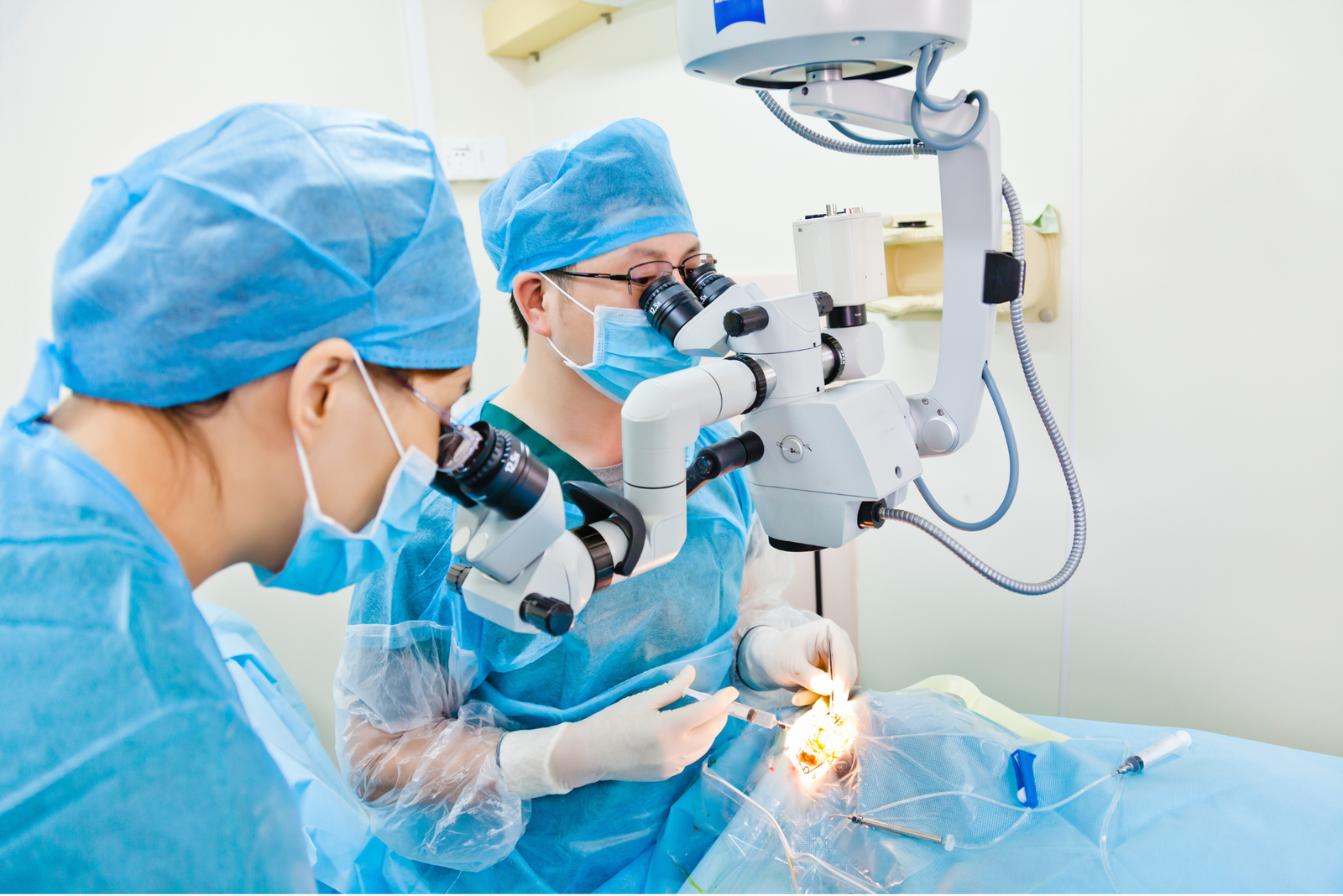
Sinus Surgery (FESS)
Sinusitis, or inflammation of the sinuses, is a common condition that can significantly affect the quality of life. When conservative treatments like medications and nasal sprays fail to provide relief, Functional Endoscopic Sinus Surgery (FESS) becomes a highly effective solution. FESS is a minimally invasive surgical procedure aimed at restoring normal sinus function and improving the drainage of the sinuses. It is a highly advanced approach that uses an endoscope to access the sinus cavities without the need for large incisions.
What is Functional Endoscopic Sinus Surgery (FESS)?
Functional Endoscopic Sinus Surgery (FESS) is a modern surgical procedure designed to treat chronic sinusitis and other sinus-related conditions by improving the sinus drainage pathways. This surgery utilizes a small, flexible endoscope equipped with a camera and light source to visualize the sinuses without the need for external incisions. The surgeon can use specialized instruments to remove blockages, repair anatomical issues, or create new drainage pathways in the sinuses, thus allowing normal sinus function to be restored.
Indications for FESS
FESS is typically recommended for patients who suffer from chronic sinus conditions that have not improved with medical management, including:
➤
Chronic Sinusitis: Inflammation of the sinuses lasting for more than 12 weeks, often accompanied by recurrent infections and blocked sinus passages.
➤
Nasal Polyps: Non-cancerous growths in the nasal cavity or sinuses that obstruct airflow and contribute to chronic sinus symptoms.
➤
Sinus Infections: Recurring or severe infections in the sinus cavities that do not respond to antibiotics or other treatments.
➤
Deviated Septum: Structural issues in the nasal cavity that block sinus drainage and air flow.
➤
Sinus Cysts or Tumors: Abnormal growths within the sinuses that obstruct normal sinus function.
How Does FESS Work?
The primary objective of FESS is to restore proper sinus drainage and ventilation, which helps alleviate symptoms of sinusitis and improves the overall function of the sinuses. The procedure typically involves the following steps:
➤
Preoperative Assessment: Before the surgery, the ENT specialist conducts a thorough evaluation, including a nasal endoscopy, CT scans, and a detailed medical history review. This allows the surgeon to assess the extent of the sinus blockage and plan the surgical approach accordingly.
➤
Anesthesia: FESS is performed under general anesthesia or local anesthesia with sedation, depending on the complexity of the surgery and the patient’s preference.
➤
Endoscopic Insertion: The surgeon inserts a thin, flexible endoscopethrough the nostrils to visualize the sinus cavities. The camera at the tip of the endoscope transmits images to a monitor, providing a clear view of the sinuses.
➤
Sinus Exploration and Removal of Blockages: Using specialized surgical instruments, the surgeon removes any obstructions, such as nasal polyps, infected tissue, or thickened mucus, which are preventing normal sinus drainage. The surgeon may also enlarge the natural openings of the sinuses to facilitate better drainage and airflow.
➤
Restoring Sinus Function: The surgeon may perform additional procedures, such as correcting anatomical abnormalities (e.g., correcting a deviated septum) or creating new drainage pathways to improve sinus ventilation. In some cases, small nasal stentsmay be placed temporarily to maintain the newly opened sinuses.
➤
Postoperative Care: After the surgery, patients are monitored in a recovery room until the anesthesia wears off. The recovery process typically involves following a postoperative care plan, including nasal saline irrigations, antibiotics (if needed), and pain management.