
Ear Conditions
At Praveen ENT Hospital, we provide expert diagnosis and treatment for a wide range of ear-related issues. Whether it's mild discomfort or chronic hearing problems, our team ensures safe, effective, and personalized care.
Anatomy & Functioning Of Ear
The human ear is not just an organ of hearing—it is a highly specialized structure that also plays a critical role in balance and spatial orientation. Understanding how the ear is built and how it works can help us appreciate the importance of ear health and guide early recognition of hearing or balance disorders.
At Praveen ENT Hospital, we emphasize patient education alongside medical care, empowering individuals with accurate knowledge of their own auditory system.
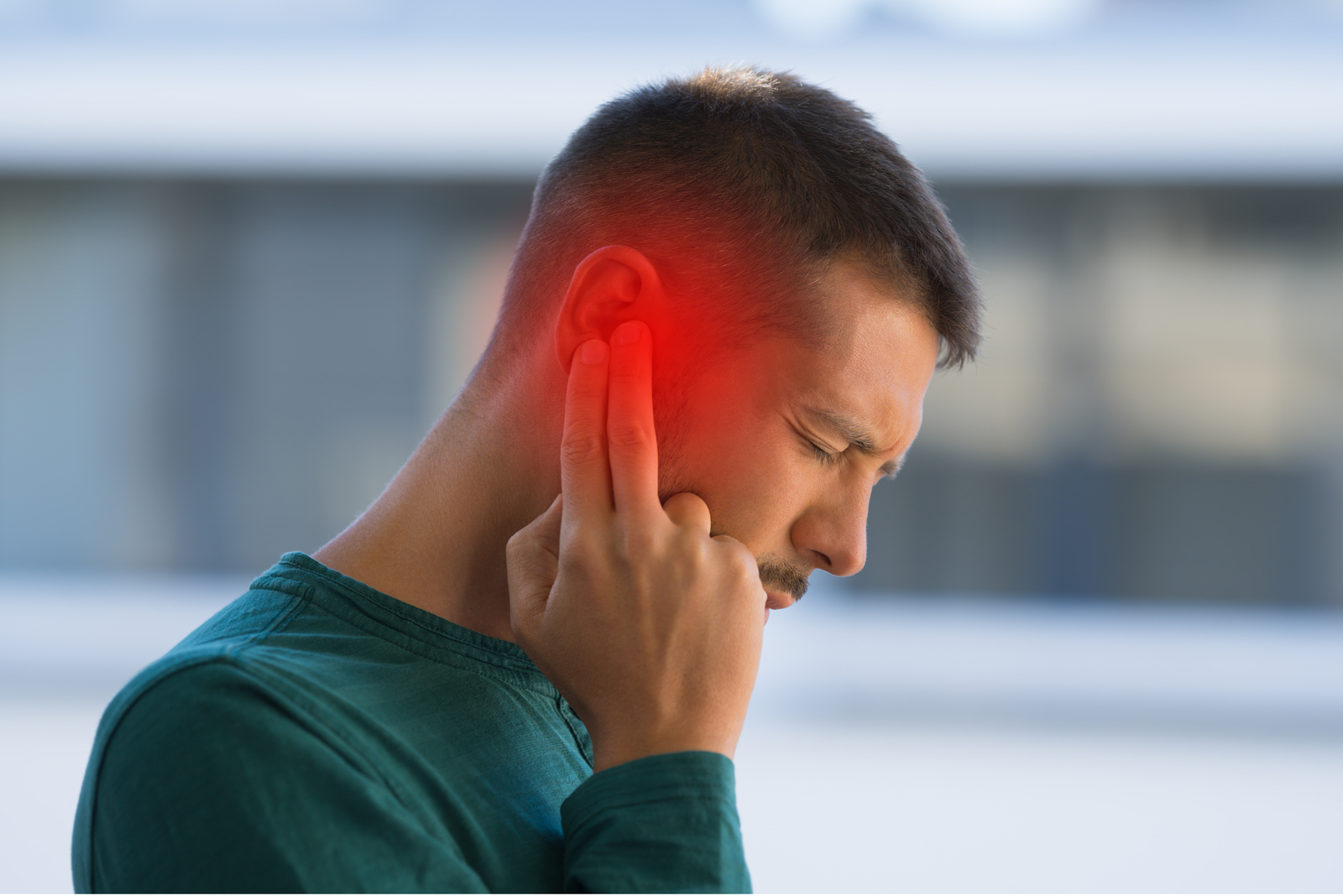
Ear Drum Holes
An eardrum rupture is a small hole or tears in your eardrum. The eardrum or Tympanic Membrane is a thin membrane that divides your middle ear and outer ear canal and it vibrates when sound waves enter your ear leading to vibration of hearing bones which passes vibrations to the hearing nerve. If your eardrum is ruptured your hearing can be affected.
What are causes of ear drum rupture or holes?
Infection: When you have an ear infection, fluids like pus accumulate behind the eardrum will cause pressure to build up then ruptures your eardrum.
Trauma like slapping over the ear with an open hand, ear bud can be used.Barotrauma like sudden changes in air pressure per example scuba diving, flight journey, driving at high altitudes.Acoustic trauma due to extremely loud noises.
Ear Discharge
Ear discharge is the drainage of pus, blood, ear wax or fluid from the ear. An infected ear can produce pus discharge continuously, sometimes intermittently it can damage your hearing. That means you are having a hole in the eardrum as the fluid builds up behind the eardrum and tear the eardrum. Doctors call this as chronic otitis media.
What are causes of ear drum rupture or holes?
Ear Wax
Ear wax is made up of a slightly different mixture of substances in each individual depending upon their environment, age, race, and diet.
Why do we have ear wax?
The main purpose of the wax produced by your ears is to protect the ear from dust, foreign particles and microorganisms. It also protects ear canal skin from irritation due to water or pollutants. Ear wax absorbs the debris and dead skin cells for preventing them from being pulled deeper into the ear canal. It prevents insects and bugs from creeping in. Ear wax repels insects or traps insects that try to get into your ear. Your ears stay bug and insect-free. Essentially, it is your last line of defence in the ear.
Hearing Loss
Hearing and understanding speech are essentials parts of everyday life. They facilitate the communication that connects you to the world.
What are the consequences of hearing impairment?
Hearing loss is an invisible condition. we cannot see hearing loss, only its effects can be felt. Hearing loss can affect people of all ages, from new born to elderly. Hearing loss may be a sudden or gradual loss, depends on the cause that it can be mild or severe, temporary or permanent. The degrees of hearing loss: mild, moderate, severe, profound.
Hearing impairment led to inability to understand speech sound, decreased capability to communicate, delay in language development, economic and educational backwardness, social isolation and stigmatization.
Tinnitus
Tinnitus is a type of ringing, buzzing, hissing, clicking whistling or that seems to originate in the ear or head. Sometimes pulsatile Tinnitus may occur (the noise like your heartbeat). Usually you hear sound but it cannot be heard by others.
Tinnitus in many cases is not a serious problem, but rather constitutes a nuisance so severely that it interferes with their daily activities. Tinnitus can be extremely disturbing to people who are suffering from it. Many of times, Tinnitus is not a sign of something serious disease. Although bothersome, it can worsen with age in many people, sometimes it can improve with treatment. However, some people may require medical or surgical treatment for Tinnitus.Tinnitus may start in any of the four parts of the hearing system: the outer ear, the middle ear, the inner ear and the brain.
When to see a doctor?
You can visit your doctor if you have Tinnitus that bothers you. If you develop Tinnitus after an upper respiratory infection like cold and it is not improving within a week, then you need to visit your ENT surgeon.
If your Tinnitus started suddenly or without an apparent cause or if you have hearing loss or dizziness with the Tinnitus, take it as an emergency and meet your ENT surgeon immediately within hours. It helps your doctor to get time to treat before it is too late.It is particularly important if the Tinnitus is only heard on one side as it is usually caused by nerve tumours.
What are causes of vertigo?
Disorders involving the balance organs in ears:
Balance organs in inner ears get affected from infection of the inner ear (labyrinthitis), inner ear fluid imbalance (Meniere’s disease), viral infection of the vestibular nerve (vestibular neuronitis) and inner ear fluid leaking into the middle ear. These conditions cause giddiness and also ringing in the ears (Tinnitus). Prevalence of dizziness caused by fluid disturbances in the inner ear (e.g., Meniere’s disease) is 1,000 per 100,000 populations.
Disorders involving decrease in blood circulation and oxygen to the brain:
Any decrease in blood circulation and oxygen to the brain can cause dizziness and fainting.Irregular heart rhythm (dysrhythmia) can result in a sudden reduction in the amount of blood pumped to the brain and can cause dizziness.
Cerebral Transient Ischemic Attack or TIA:
Temporary deficiency of blood in the brain i.e, secondary to narrowing of the arteries in the brain can result in dizziness.
Orthostatic or postural hypotension:
Sudden change in position from sitting or lying to standing can cause a drop in blood pressure and dizziness.
Medications:
Dizziness can result from taking medications such as antihypertensives, antidepressants, antihistamines or diuretics.
Understanding Ear Disorders
Eustachian Tube Dysfunction
Eustachian Tube Dysfunction occurs when the tube fails to open or close as it should, resulting in pressure imbalance and fluid retention in the middle ear. This can cause a range of uncomfortable symptoms and sometimes lead to complications like infections or hearing loss.
Causes of Eustachian Tube Dysfunction