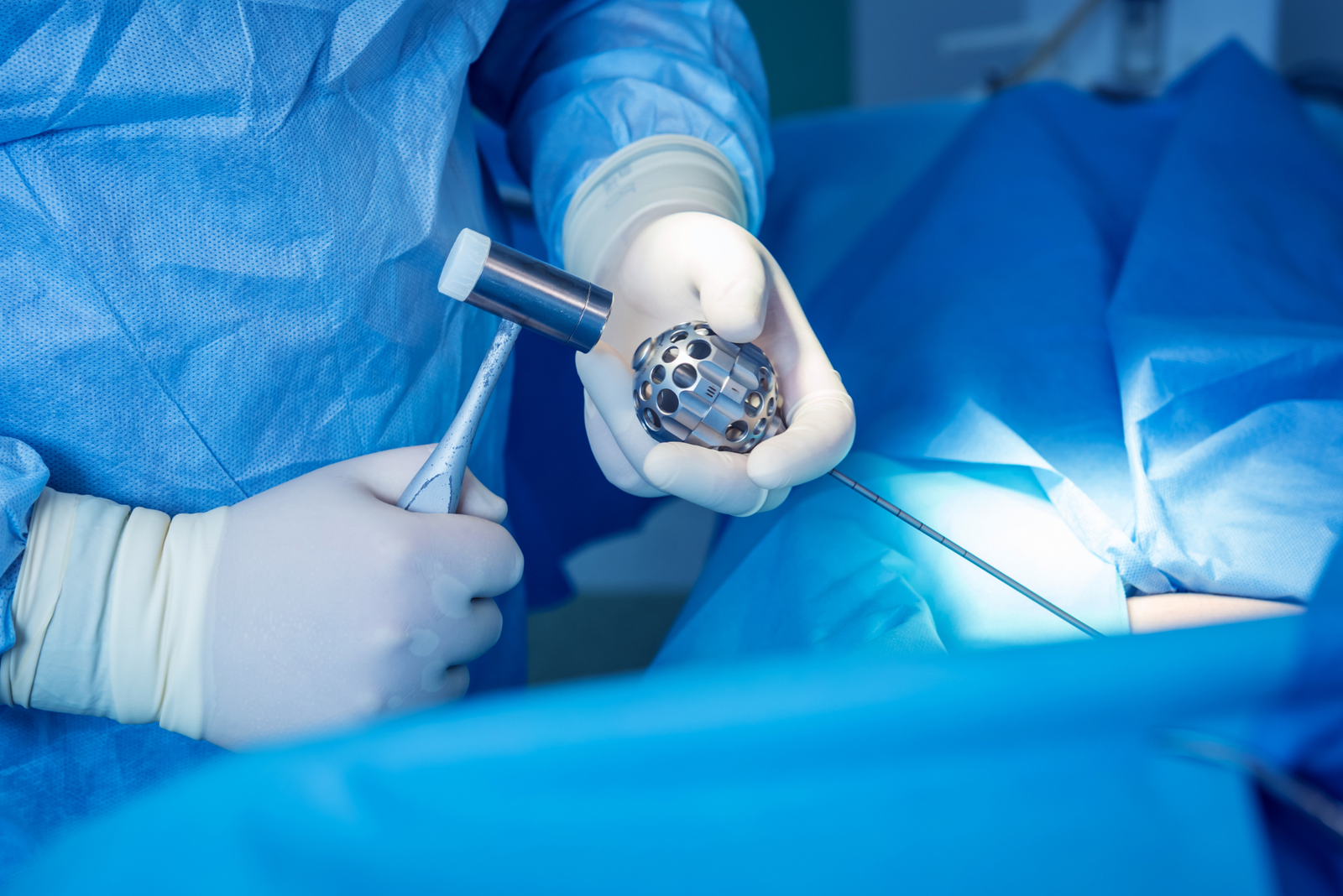
Endoscopic DCR
Endoscopic Dacryocystorhinostomy (DCR) is a highly effective, minimally invasive surgical procedure used to treat nasolacrimal duct obstructions, which are often the cause of chronic tear duct infections and excessive tearing (epiphora). This condition occurs when the duct that drains tears from the eye into the nasal cavity becomes blocked, leading to discomfort, recurrent infections, and excessive tearing.
What is Dacryocystorhinostomy (DCR)?
Dacryocystorhinostomy (DCR) is the surgical creation of a new drainage pathway between the lacrimal sac (the part of the tear duct that collects tears) and the nasal cavity. This bypasses the obstructed or narrowed tear duct and restores normal tear drainage. There are two types of DCR surgery: external and endoscopic. While the traditional external DCR requires an incision on the skin, the endoscopic approach allows the surgeon to perform the procedure entirely through the nostrils, providing a more cosmetic result with fewer complication.
How Does Endoscopic DCR Work?
In Endoscopic DCR, the procedure is performed through the nasal cavity, without the need for external incisions. The process involves the following steps:
➤
Preoperative Assessment: The patient undergoes a thorough examination, including imaging studies such as CT scans or dacryocystography to assess the site and extent of the obstruction. This imaging helps the surgeon plan the surgical approach with precision.
➤
Anesthesia: The surgery is typically performed under local anesthesia with sedation or general anesthesia, depending on the patient’s preferences and the complexity of the surgery.
➤
Endoscopic Access: A thin, flexible endoscope (a small tube with a camera and light) is inserted through the nostrils to provide the surgeon with a clear view of the lacrimal sac and the obstructed tear duct.
➤
Creation of New Drainage Pathway: Using specialized instruments, the surgeon removes the obstructed portion of the nasolacrimal duct and creates a new opening from the lacrimal sac into the nasal cavity. This allows tears to drain properly into the nose, bypassing the blockage.
➤
Postoperative Care: The procedure typically involves placing a stent or silicone tube temporarily to keep the new passage open during healing. The stent is usually removed after a few months. Patients are advised to follow up for regular check-ups to ensure the new drainage pathway is functioning correctly.
Benefits of Endoscopic DCR
➤
Minimally Invasive: No external incisions are required, which results in less pain, minimal scarring, and a faster recovery compared to traditional methods.
➤
Cosmetic Advantage: Since the procedure is performed through the nasal passages, there is no visible scarring, providing a more aesthetically pleasing outcome.
➤
Faster Recovery: The endoscopic approach leads to a quicker recovery time, with most patients resuming normal activities within 1-2 weeks.
➤
High Success Rate: Endoscopic DCR has a high success rate in restoring normal tear drainage, improving quality of life by reducing symptoms of excessive tearing and chronic infections.